Posted by
OneLogix Cargo Solutions
03 December 2025
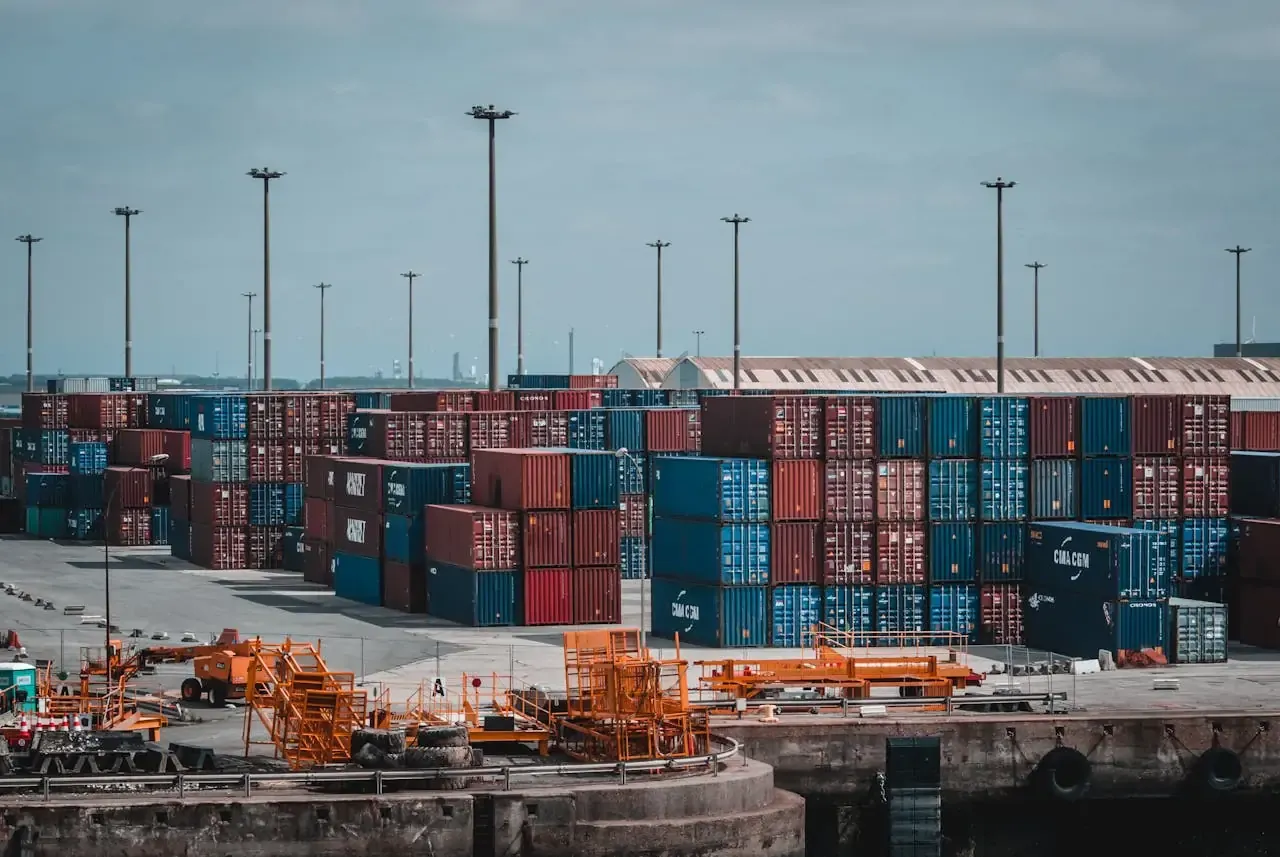
Navigating the intricacies of customs clearance and forwarding can be a daunting task for businesses involved in international trade. With regulations constantly evolving and processes varying from country to country, it’s natural for questions to arise. To help shed light on this crucial aspect of logistics, we’ve compiled a list of frequently asked questions (FAQs) to provide clarity and guidance in the world of clearance and forwarding.
Clearance and forwarding involve the facilitation of goods movement across international borders. This process encompasses handling documentation, compliance with customs regulations, and ensuring smooth transit of goods from origin to destination.
When you have to import or export goods to or from any country, you are going to need the specialised help of both a Freight Forwarder and a Customs Clearing Agent.
A Freight Forwarder
OneLogix Cargo Solutions also handles Customs clearance and forwarding, as we are accredited by Customs and ports.
A Customs Clearance Agent
The documentation needed for customs clearance will vary depending on the nature of the goods and the countries involved. However, common documents include commercial invoices, packing lists, Bill of Lading, certificates of origin, and any relevant permits or licences. Once these Customs clearance documents are done, your goods can be transported.
Understanding the timeline for customs clearance is essential in order to properly plan.
Standard Processing Times
The duration of customs clearance in South Africa can vary depending on several factors:
Typically, the customs clearance process can take anywhere from a few hours to several days. In straightforward cases, clearance might be completed within 24-48 hours. However, complex shipments requiring detailed inspections or additional documentation can extend this period to several days or even weeks.
Bonded warehouses are buildings or other secured areas used during the import or export of goods. Dutiable goods may be stored without payment of duty in these areas. Bonded warehouses may be managed by the government or by private businesses. However, in the case of a private business owning a bonded warehouse, a customs bond must be posted with the government. This system exists in all developed countries of the world, including South Africa.
Bonded warehouses provide specialised storage services such as deep freeze or bulk liquid storage, commodity processing, and coordination with transportation. It is an integral part of the global supply chain.
There are different types of bonded warehouses, including temporary storage areas, public bonded warehouses, private bonded warehouses, free warehouses and bonded logistics parks.
Whether you are importing or exporting, it can be difficult to deal with the logistics of what needs to be where and when and that’s where OneLogix Cargo Solutions comes in – giving you peace of mind that your freight will be at the right destination on time and in good condition.
A Bill of Lading (B/L) is a crucial document in international trade and transportation. It serves as a contract of carriage and a receipt for goods, issued by a carrier or their agent to the shipper (the person or company sending the goods). The Bill of Lading contains essential information about the goods being transported, including their description, quantity, and destination. It is one of the more vital documents needed for ocean transport.
Shipping rates can be volatile due to several factors typically experienced in the global shipping industry, the most important being market demand. There are also seasonal demands that affect pricing. This usually keeps rates high as there are always space problems for cargo getting on vessels. In peak seasons there is a big demand for moving cargo, so the Carriers raise the rates during this period, with the GRI (general rate increase), and PSS (peak season surcharge).
Another significant factor is transport fuel, or what is called the Bunker Fuel factor (known as BAF). This is a surcharge that the Carrier can change when oil prices rise or fall.
Overall, shipping rates are subject to a complexity of economic, regulatory, geopolitical, and industry-specific factors, making them volatile and susceptible to fluctuations in the global shipping market.
Navigating clearance and forwarding can present challenges, but armed with the right knowledge and resources, businesses can streamline the process and ensure seamless movement of goods across borders.
OneLogix Cargo Solutions: Your Partner in Clearance and Forwarding
At OneLogix Cargo Solutions, we specialise in clearance and forwarding services tailored to the needs of businesses operating within and beyond Southern Africa.
Chat to one of our helpful team members if you have a customs clearance and forwarding question you need assistance with!
OneLogix Cargo Solutions offers personalised assistance with customs clearance and forwarding needs. Clearance and forwarding, but better!

.jpg)